

Navigating Nappies: Supporting all Children in Toilet Training
Susie Drake, Headteacher of Haltwhistle Academy (SPH Lead school) and The Great North Early Years Stronger Practice Hub Strategic Lead
Toilet training is a significant milestone in early childhood development, yet many children, including those with sensory processing challenges or Autism Spectrum Disorder (ASD), may face difficulties in mastering this skill. According to the Kindred School Readiness Survey, 91% of Reception teachers reported having children in their class who were not toilet trained, highlighting a broader challenge for schools and nurseries who need to dedicate more time and resources to developing children’s independence in this area. Early years educators play a crucial role in providing support and creating an environment that fosters understanding, patience, and success. This blog will explore strategies to support children with sensory sensitivities and ASD in their toilet training journey, ensuring every child has the opportunity to succeed.
What Does Readiness Look Like?
Toilet training is about more than just physical readiness. It involves a combination of physiological, motor, cognitive, emotional, and sensory development. The Development Matters framework provides guidelines for educators to assess a child’s readiness across various domains:
- At around age 2-3, children typically begin to recognise when they need to use the toilet, and they require educators to respond to these cues sensitively.
- By around ages 3 to 4, children generally begin to develop control over bladder and bowel urges. They start to communicate their need to use the toilet, marking a significant step toward independence.
- By around age 4, many children start to manage basic tasks, such as pulling up pants, wiping, and washing hands independently.
However, for children with additional needs such as sensory processing challenges or ASD, these milestones may take longer to reach, and the path may require additional support. This requires educators to take a holistic approach to toilet training, ensuring that they are adaptable and patient to support each child's unique developmental needs.
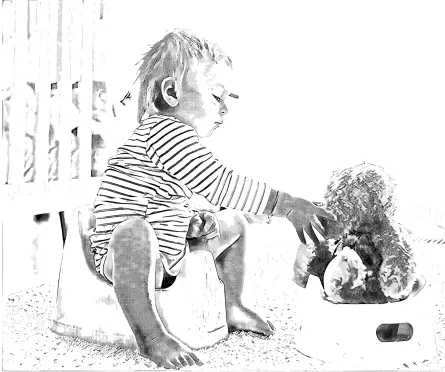
The Key Worker’s Role in Supporting Toilet Training
In early childhood settings, the key worker plays a critical role in the toilet training process. Establishing strong, trusting relationships with both the child and their family helps ensure consistency between home and school routines. By developing collaborative strategies with parents, key workers can provide a consistent and reassuring experience for the child. For children with additional needs, educators can draw on advice from the Education Endowment Foundation's guidance on Special Educational Needs in Mainstream Schools, which emphasises the importance of a tailored approach. This may include breaking down tasks into small manageable steps, offering more time for practice, and providing clear, simple communication.
Sensory Processing and Toilet Training
For children with sensory sensitivities, the toilet training process may involve specific challenges. The EEF SEND Guidance recognises the importance of the environment in meeting children’s needs. The toileting environment needs consideration too, as stimuli such as the sound of a toilet flushing, the feel of the seat, the noise of hand-dryers or the texture of toilet paper could cause overwhelm for some children leading to distress or fear.
Strategies to support children with sensory sensitivities include:
- Gradual Exposure: Allow children to explore the bathroom environment without pressure. Let them get used to the sounds, sights, and smells of the toilet without the expectation of using it right away. Games such as bubble play in the sink might be helpful.
- Desensitisation: For children sensitive to loud noises, such as the sound of a flushing toilet, consider letting them hear the sound from another room, possibly as part of a listening game and gradually introducing it before they need to flush themselves.
- Sensory-Friendly Modifications: Using a softer potty training seat or offering noise-cancelling headphones during toilet flushing can help children feel more comfortable in the toilet environment.
- Calm, Predictable Environments: Dimming bright lights, reducing noise by offering a towel instead of a hand-dryer, and using calming scents or familiar objects can reduce sensory overload and make the environment more comfortable for the child.
Establishing a Predictable Routine
Clear routines and structured environments support children to gain confidence and independence in toilet training, helping to create a calm and predictable routine and reduce anxiety.
Strategies to consider:
- Visual Schedules: Visual schedules using pictures or symbols for each step of the toilet training process (e.g., "pull down pants," "sit on the toilet," "flush") can provide clarity, help establish routines to promote independence and reduce anxiety.
- Regular Toilet Times: Offering regular opportunities for toilet visits (e.g., after meals or before naps) helps children learn the routine and prepares them for what to expect throughout the day.
- Positive Reinforcement: Using rewards or praise for each successful toilet visit can help reinforce positive behaviour and build confidence in the child’s ability to manage their toileting needs.
Supporting Communication and Understanding
One of the most challenging aspects of toilet training for children who are later in learning to use the toilet, or who may have ASD or sensory sensitivities can be communication. These children may struggle to recognise bodily cues (interoception) and express when they need to use the toilet.
Communication strategies include:
- Develop Understanding: using stories, videos to help them understand how their body works
- Clear, Simple Language: Use direct phrases like “It’s time for the toilet” linked to routine or “Can you feel a wee or poo that wants to go in the toilet” to help the child tune into their bodily cues and understand what is expected.
- Non-Verbal Communication: For children with limited verbal skills, tools like sign language, Picture Exchange Communication Systems (PECS), or visual cards can help the child communicate their needs effectively.
- Observing Non-Verbal Cues: Be attuned to signs that the child needs the toilet, such as squirming, holding their private area, or pointing to the bathroom. Promptly responding to these cues builds confidence and strengthens communication.
Addressing Emotional Regulation and Anxiety
Toilet training can trigger anxiety for some children. Fear of using the toilet, or negative experiences related to sensory stimuli, may cause emotional distress. Creating a supportive, reassuring environment can help reduce these feelings.
Support strategies:
- Calm and Relaxing Spaces: Create a quiet, distraction-free environment. If the child has a comfort item (e.g., a favourite toy or blanket), allow them to bring it into the bathroom for reassurance.
- Gradual Exposure: If the child is fearful of the toilet, start slowly by letting them explore the bathroom, sit on the toilet with clothes on, or flush without using it. Activities such as bubble blowing whilst sitting on the toilet build the association between the place and the action required in a gentle way. Gradually work up to full toilet use.
- Positive Reinforcement: Praise the child for their efforts, regardless of the outcome. This builds their confidence and reduces anxiety surrounding the process.
- Social Stories: Use simple social stories to prepare the child for the toilet experience. These can explain the process in a positive and understandable way.
Promoting Social Integration and Peer Support
In larger settings, children may feel overwhelmed by communal toileting environments. The noise, presence of other children, or the social pressures of using the toilet can be challenging.
Strategies for supporting social integration:
- Peer Support: Allow the child to observe a trusted peer using the toilet with their consent. This can help normalise the experience and demonstrate that it is a regular, safe part of daily life.
- Quiet Space: Provide access to a quieter, less stimulating bathroom for children who find busy, noisy bathrooms overwhelming. This space can help reduce stress and make the process feel more manageable.
- Teach Social Skills: Use role-playing or social stories to teach children how to navigate the social expectations of toileting, such as waiting their turn or maintaining privacy.

Conclusion: Patience and Support for a Successful Journey
Toilet training is a complex developmental process involving physiological, motor, cognitive, emotional, and sensory growth. For children with additional needs such as sensory processing difficulties or ASD, the journey may require more time and tailored strategies. By using the Development Matters framework and supporting children with patience, empathy, and a consistent approach, educators can help all children succeed in mastering toilet training.
With strong partnerships between families and educators, a flexible approach to routines, and an understanding of sensory challenges, a child can navigate the transition from nappies to toilet use with increased confidence and independence.
Valuable further information to support early years providers can be found on the NHS and ERIC The Bowel and Bladder Charity websites. The EEF Early Years Toolkit for Personal, Social and Emotional Development will be updated with further relevant studies to Promoting Self-Care as these become available. The Great North Early Years Stronger Practice Hub is also offering a webinar Navigating Nappies: Mastering Toilet Training in the Early Years on 12th December which will explore this topic in further detail.
References
Education Endowment Foundation. (2018). Special Educational Needs in Mainstream Schools.
Department for Education. (2021). Development Matters in the Early Years Foundation Stage (EYFS).
NHS. (2020). Toilet Training: A Guide for Parents.
ERIC – The Bowel and Bladder Charity. (2022). Toilet Training Advice and Support.