

Our network members have been asking for support with developing their curriculums.
As a starting point we suggest choosing high quality texts for each half term to emphasise the key themes, ideas and vocabulary you wish to expose the children to at different times of the year to support the developing needs of your children.
Research tells us that interactive reading is a powerful approach to support children in their communication, language and literacy development. Choosing the right texts to encourage conversations, revisiting previously introduced language and developing new ideas building on prior understanding is key to planning meaningful experiences for our children.
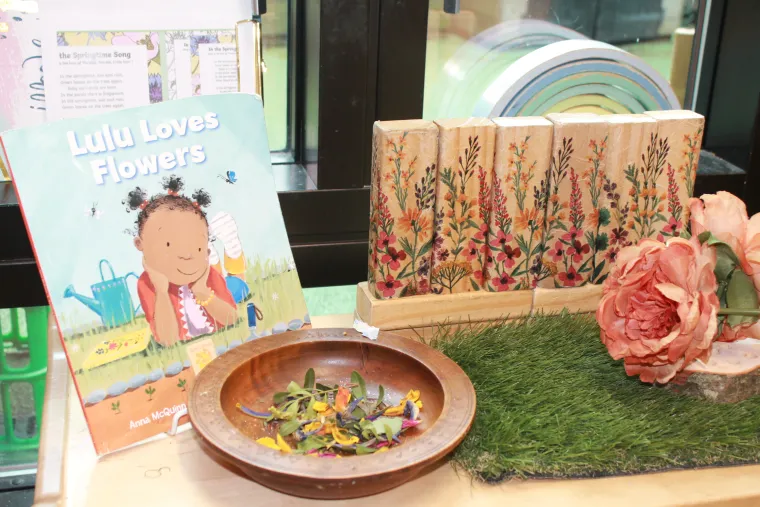
It can be helpful to build collections that progressively introduce ideas and vocabulary in a particular area such as feelings and emotions or mathematical concepts.
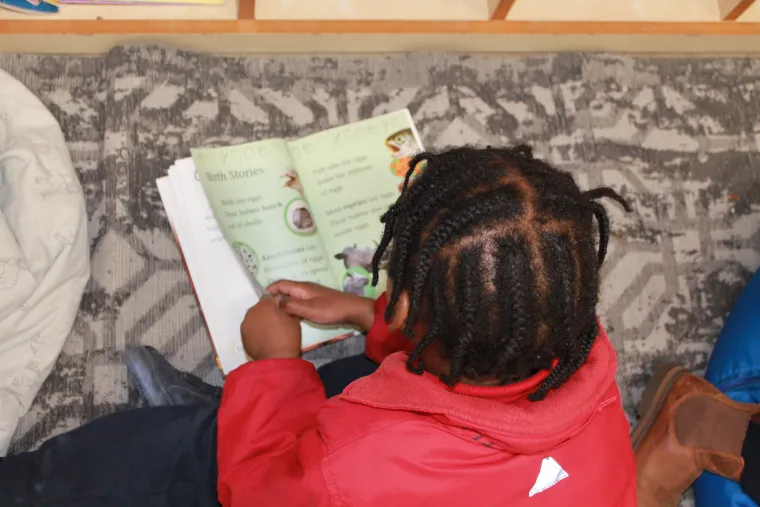
Teaching about the seasons connects beautifully to building a concept of time, whilst learning about the natural world. The seasons offer us different opportunities at specific times of the year. A well-developed curriculum reflects the possibilities abundant in nature at varied times of the year taking full advantage of our temperate climate rather than battling with it. For example, planting seeds in the spring term which in terms of season is actually the winter term can be terribly disappointing.
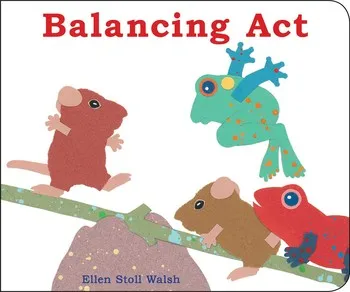
Ensure you have texts of varied complexity about the same theme so you can easily adapt for the varied stages of development of your children.
Consider reducing how many celebrations you include in your curriculum so you can cover them in a meaningful way that allows time for the concepts and vocabulary to be remembered and therefore learned.
When making choices about your key texts and supporting related texts ensure they reflect your children and the diverse world we live in including the depiction of children and adults with visible and not so visible disabilities.
Once you are happy with the variety of fiction and non-fiction texts you have, plan for opportunities to act out, rehearse and revisit the newfound knowledge in role play, small world and other imaginative ways to help the ideas and words stick.
Through art appreciation you can choose artists that explore techniques that start off very simply such as making swirls to becoming gradually more complex like making collages. Some of the artists chosen could be the significant person from the past you would like your children to know about.

Consider texts with few words also such as Jeannie Baker's collage picture books that have plenty of interesting details children are likely to notice and chat about. This then gives adults the opportunity to echo back, reframe and ensure children are hearing correct language. Every text provides reinforcement of certain words and concepts. Plan which words and phrases you wish to reinforce so all children are learning the necessary building blocks for future learning.
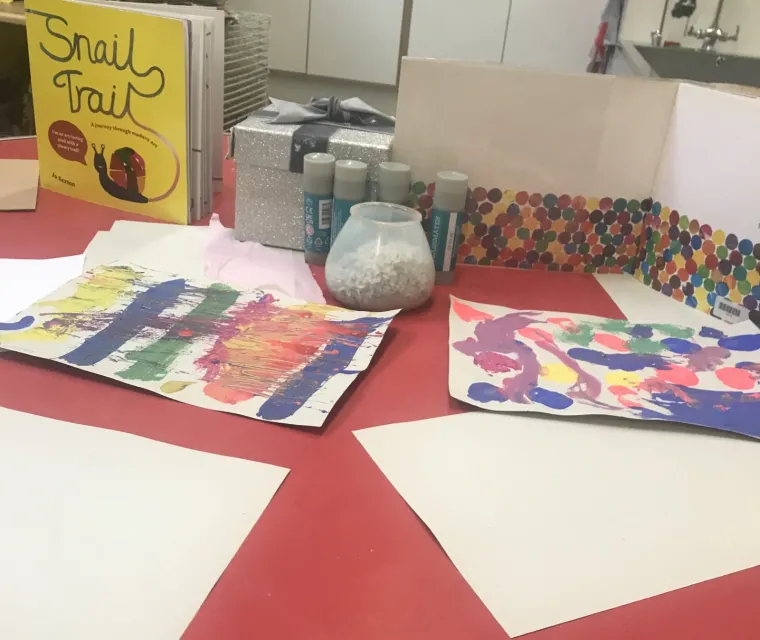
For each chosen text consider visuals, artefacts and props that can support the understanding of the key vocabulary and concepts for every child. A simple song, made up or otherwise can also support reinforcing the same language and ideas.
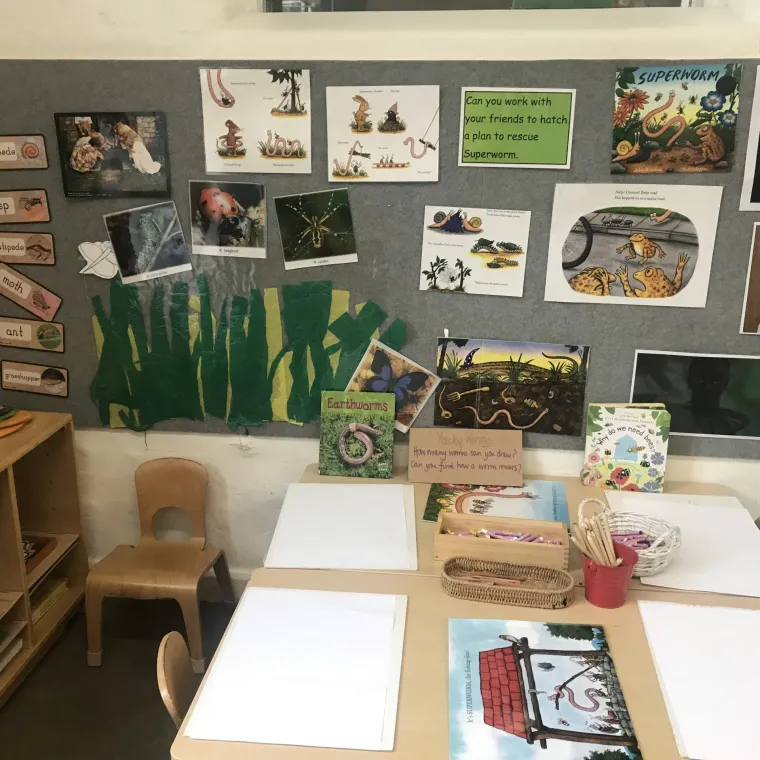
Never assume words are understood. Discuss unfamiliar words. Books often remind us to use more complex language but it is always important to check for understanding through discussion, play and meaningful interactions.
Your curriculum is informed by your knowledge of child development and the interests and needs of the children in your setting. Well chosen books go a long way to helping you on this journey. Make sure, showing an understanding of progression and how new knowledge can only be built on well understood prior knowledge, is really clear in your explanations to those wanting to know more about your practice and setting.
Language Development In The Garden | Stronger Practice Hubs a downloadable PDF to help you take advantage of the seasons and weave these into your curriculum.