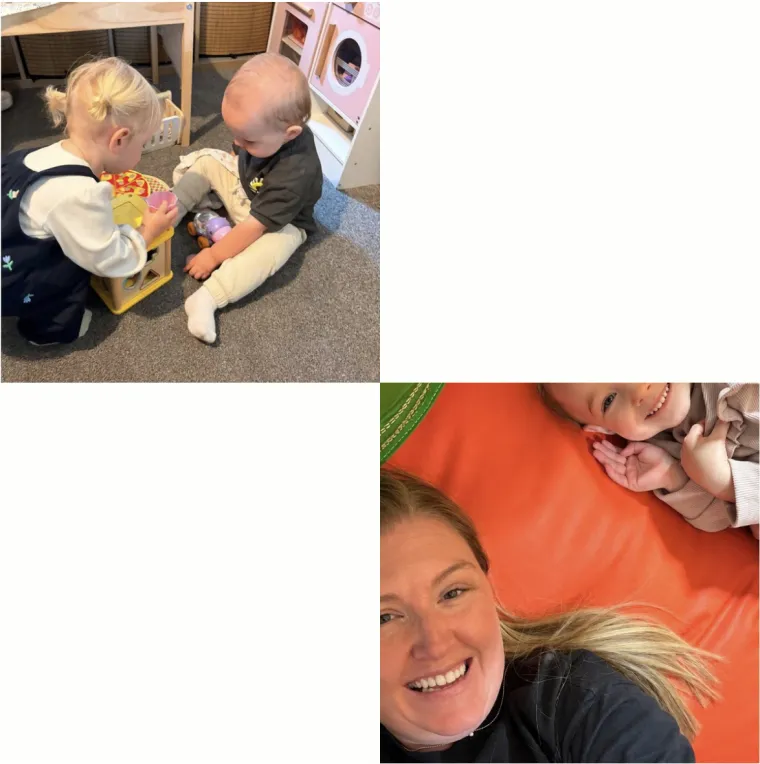

This blog reflects on new research into the quality of childminding provision for babies aged 0-2 and what it can teach us about high-quality practice.
By Claire Fitzgerald, childminder at LMC Childminding and Childminder Partner at HEART Midlands Stronger Practice Hub
When I returned to childminding, one of the things I valued most was the chance to build close relationships with children and their families. I wanted to know the little details that help a baby feel understood: how they show they are tired, what comforts them, what makes them laugh, and how they are settling into life beyond home.
That is why I was so pleased to read Childminding Babies, a new review of the global evidence on quality for children aged 0–2 in childminding provision. Its central message resonated with me: childminding is a distinct form of early education and care. We need to understand the quality of babies’ experiences within that context.
The moments that matter
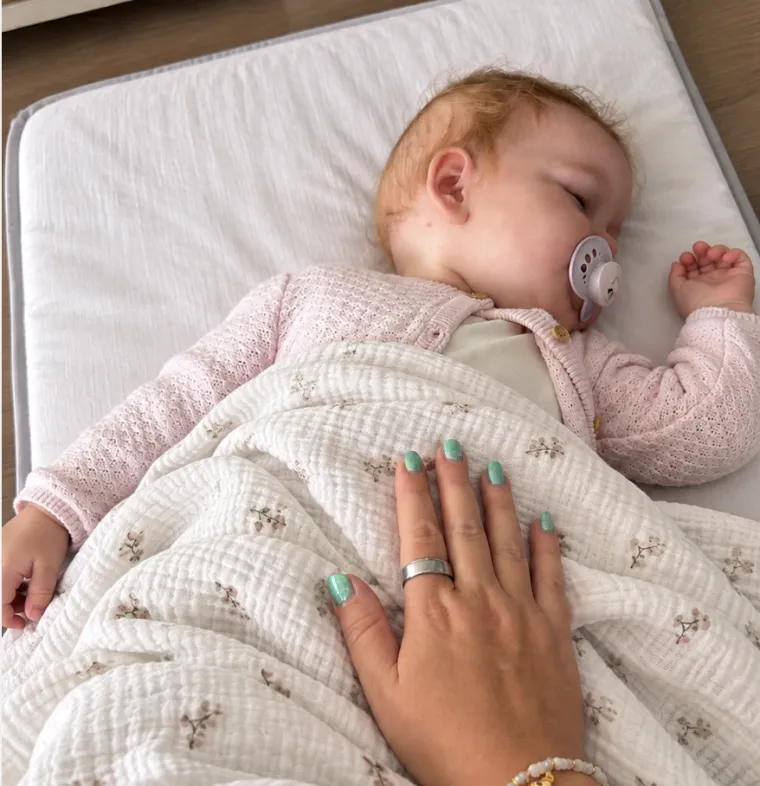
At LMC Childminding, our day includes play, meals, naps and all the transitions between them. With babies, those everyday moments are a large part of the day’s learning. Changing a nappy can be a chance for conversation and shared attention. Sitting together at lunch offers opportunities to notice, respond and build trust. Helping a baby settle for sleep means paying attention to what that individual child needs.
These moments can look ordinary from the outside. For the baby, they are part of learning that someone will notice their signals and respond. The review recognises emotionally responsive relationships, continuity of care and personalised experiences as distinctive features that may be particularly valuable in the first two years.
Knowing the family helps us know the child
Close partnerships with families are central to how we work. A conversation at drop-off might tell us that a baby slept differently the night before, has started trying a new word, or needs a little more reassurance that morning. Sharing what we notice during the day helps us build a fuller picture together.
That knowledge cannot be captured by looking at a room or a timetable alone. It grows over time, through trust and regular conversation. It helps us respond to the child in front of us, rather than expecting every baby to fit the same routine.

Childminders need connection too
The report also made me reflect on something I know from my work beyond LMC: relationships matter for practitioners as well as children. Childminding can involve working alone, carrying decisions on your own and finding very little time to step back and reflect. Even with assistants at LMC, I recognise that the responsibility of leading a childminding setting can feel very personal.
Through my role with HEART Midlands Stronger Practice Hub, I see how valuable it is when childminders can meet, share practice and learn from one another. A network conversation can help someone think through a challenge, discover a useful piece of research or simply hear that another childminder has faced something similar. Professional development works best when it speaks to the realities of childminding and gives us space to reflect on our practice.
A conversation worth continuing
One finding stayed with me: babies in childminding have received relatively little focused attention in research. This review is a welcome start, and its authors plan to hear directly from childminders in the next phase of their work.
For me, quality begins with paying attention: to babies’ cues, to what families tell us, and to what childminders need to do their work well. I hope this research encourages more childminders to share what quality looks and feels like in their settings. Those everyday experiences deserve to be part of the conversation.
Read the full report: Sakr, M., Bonetti, S. and Halls, K. (2026), Childminding Babies: A Review of the Global Evidence on Conceptualising, Measuring and Supporting Quality in Childminding Provision for 0–2 Year Olds.