

The beginning of the day is a vital time for early years children. It is more than just a transition, it's an opportunity to create a sense of safety, calm and security that sets the tone for the entire day. In early years settings, a well designed morning routine is a strong foundation of a child's emotional stability and mental well-being.
By providing a predictable and nurturing start to the day, these routines help children feel understood and ready to learn. This is particularly important for children’s Personal, Social and Emotional Development (PSED), a key area of learning in the Early Years Foundation Stage.
Why Morning Routines Are So Important
A carefully thought out morning routine does much more than just keep the day organised. It creates a powerful cascade of positive emotional effects for children.
- Predictability Reduces Anxiety: When children know what to expect, they feel safe. Consistent routines help children anticipate what’s next, lowering anxiety and creating a sense of emotional security. This predictability is vital for their PSED.
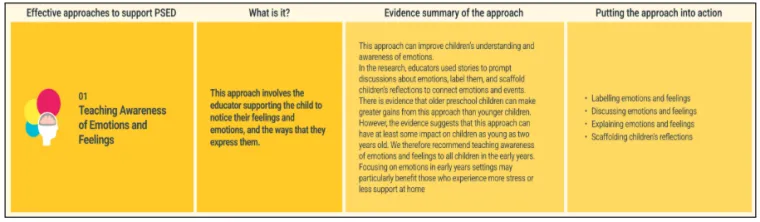
- Emotional Awareness and Regulation: Simple check-ins, like a hello song or an emotion board, give children the tools to name and reflect on their feelings. This practice builds their emotional vocabulary and early regulation skills, even for those who are not yet verbal. The Education Endowment Foundation (EEF) PSED Evidence Store emphasises that:
“There is evidence that teaching awareness of emotions and feelings can improve children’s understanding of emotions.”
The EEF’s ‘Social and Emotional Learning in Primary Schools’ guidance report also highlights that:
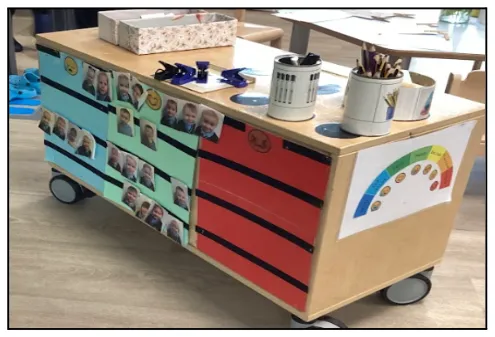
“Children’s ability to recognise and express emotions can be supported with a class display, which is regularly referenced. These daily check-ins with a class emotional display help to normalise emotions and help children understand that it's okay to feel whatever they feel.”
- Long-Term Well-being: Routines help children develop independence and self-regulation strategies over time. Using tools like deep breathing or emotion cards encourages emotional intelligence, building resilience that extends far beyond the early years. The EEF's research shows that consistent daily structures are crucial for building these long-term emotional skills.
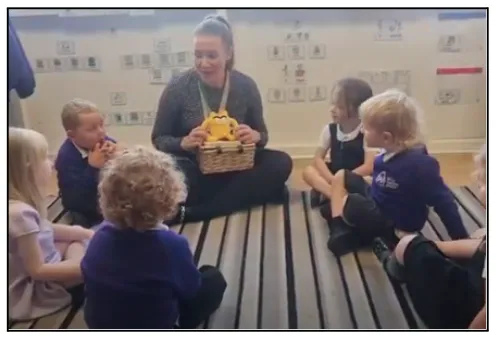
- Learning Opportunities: The Ofsted report, Getting it right from the start: how early years practitioners work with babies and toddlers, highlights the importance of embedding intentional learning into routines.
“Practitioners should... use and develop routine times to reflect on their curriculum design for babies and toddlers, and use and develop routine times for implementing their curriculum.”
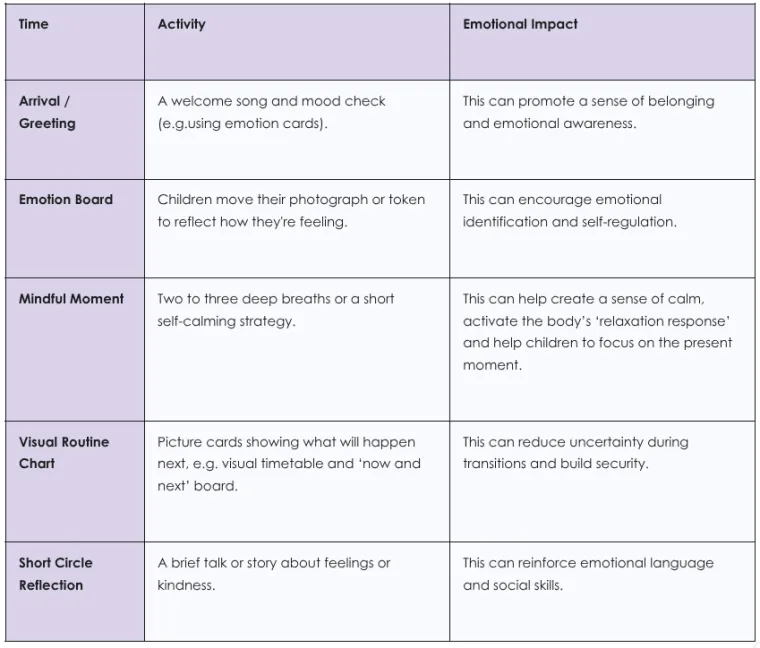
A Sample Start-of-Day Routine
Here’s an example of a simple routine and how each part contributes to emotional well-being.
Tips for Successful Implementation
To make these routines truly effective, keep these tips in mind:
- Keep it consistent: A short, consistent routine is far more effective than a long, unpredictable one. A minute or two of breathing can make a big difference.
- Use visual cues: Make sure picture cards, emotion boards and other visual aids are visible and accessible to all children.
- Model emotional language: Adults should model naming their own feelings, e.g. "I'm feeling calm now that we've had our deep breaths," This supports children to develop emotional awareness.
- Adapt as children grow: Routines should evolve to reflect the changing needs of the children in your care.
By intentionally building calm from the very start of the day, you are doing more than just organising your routine. You are creating an emotionally safe space, supporting children's development and planting seeds of emotional resilience that will flourish for years to come.
Further Reading:
- Early Years Foundation Stage Statutory Framework September 2025
- Best Start in Life Part 2: The Three Prime Areas of Learning
- Education Endowment Foundation’s PSED Evidence Store
- Education Endowment Foundation’s Self Regulation and Executive Function Evidence Store
- Education Endowment Foundation’s Improving Social and Emotional Learning in Primary Schools Guidance Report
- Ofsted - Getting it right from the start: how early years practitioners work with babies and toddlers