

Annette is a childminder with Qualified Teacher Status is a Forest School Leader and has now been childminding for over 22 years.
This year, my action plan has one clear focus: food. Not just what we serve, but how we talk about it, grow it, shop for it, and—most importantly—how children experience it. The spark? A fussy eater in my care who nibbles at lunch but devours snacks. Familiar, perhaps, to many childminders and parents. . As the Early Years Nutrition Guidance reminds us: “Where children are provided with meals, snacks and drinks, these must be healthy, balanced and nutritious.” (p. 4) This simple statement became my starting point.
Living and working in London, we’re surrounded by food messages—some subtle, some loud. From delivery bikes whizzing past to supermarket logos children recognise before they can read, food is everywhere. But access isn’t equal. Some families face food insecurity, while others have endless choice. As childminders, we sit at the intersection of these realities, shaping children’s relationships with food in ways that go far beyond the plate.
From Frustration to Framework
I began with frustration: lovingly prepared meals rejected with a “Yuk!” and food wasted. But I knew I needed to shift the narrative. Inspired by training and research, I broke down my food focus into three goals:
- Find children’s books to spark healthy food activities
- Incorporate real-life shopping and cooking experiences
- Check current nutrition guidelines for the meals I serve
Books became our gateway. We discovered No More Peas by Madeline Cook and Erika Meza—a joyful story about vegetables, bravery, and trying new things. It inspired us to grow our own: purple peas, stripy tomatoes, and multicoloured sweetcorn. Not all flourished, but the curiosity did.
Real-Life Learning
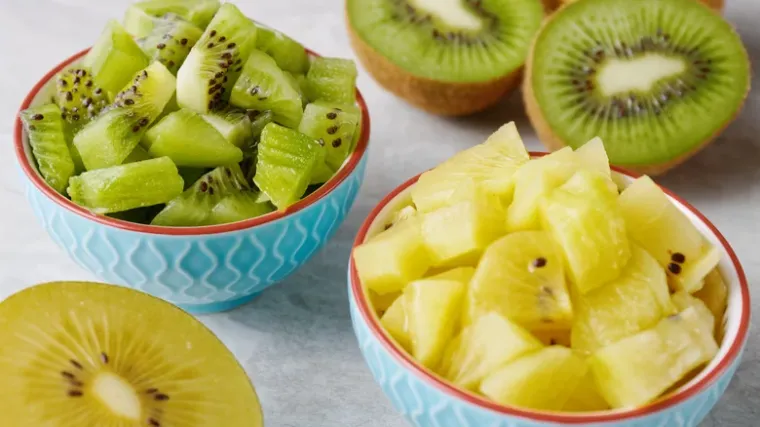
We started shopping together. Many families use delivery services, so this was new for some children. Our local supermarket has child-sized trolleys, and navigating the aisles became a lesson in steering, counting, and conversation. Yellow kiwis became a favourite—chosen by toddlers who could identify their colour before peeling. If you haven’t tried one, now’s the time!
Cooking was trickier. Most child-friendly recipes lean towards the sweet—cupcakes, icing, sprinkles. Even NHS recipes included sugar. I wanted something different: taste-safe recipes both sweet and savoury that all children could explore, regardless of age or allergy, and that we could eat together. Cooking became a monthly event, sometimes paired with shopping. Grated courgette in cake? Suddenly a hit.
Guidance and Growth
In April 2025, the government published Early Years Foundation Stage nutrition: Helping early years providers offer healthy, balanced and nutritious food. I welcomed it. It validated our journey and gave structure to our evolving practice. The revised EYFS in September 2025 now embeds nutrition into safeguarding and welfare requirements—a shift I believe will ripple into homes and future choices.
The guidance states: “Good nutrition is important to make sure children get the right amount of nutrients they need while they are growing rapidly and don’t consume too much food, which may lead them to become overweight or obese.” (p. 6)
On holiday, I noticed children’s menus stuck to fish fingers and chips while adult menus offered variety. It made me wonder: when do we stop offering children the chance to choose differently? The EYFS nutrition guidance nudges us to rethink assumptions and raise expectations.
Reflections from the Table
I’m lucky. The families I work with support our food ethos—meals, snacks, and water or milk. I haven’t had to navigate difficult conversations about sweets at the door. But I still face challenges. I’ve found a few reliable recipes, learned that grated cheese can be a game-changer, and now offer four fruits and a minimum of two vegetables daily. That’s over ten of each weekly—and pomegranate has become a surprise favourite.
As the guidance suggests: “Offering children a wide range of foods, textures and flavours can help increase the variety of foods children will eat. This can encourage healthier eating habits later in childhood.” (p. 10) This principle has shaped our menus and our mindset.
We eat together, family-style. I model the same food choices I hope children will embrace. And it’s changed me too. What began as a professional focus has become a personal one. I’ve re-evaluated my own eating habits, made healthier choices, and felt the benefits.
I also took part in university-led research this year, with a nutritionist observing and weighing meals and leftovers. I’m eager to read the final report and see what more I can learn.
Final Thoughts
Food is never just food. It’s culture, care, connection—and sometimes, compromise. As childminders, we’re not just feeding children. We’re shaping their understanding of nourishment, choice, and respect. And sometimes, that starts with a yellow kiwi.