

This is a collection of a few of the favourite songs and rhymes I use with the children in my setting. They include what we see and experience outside, including insects, trees, plants and weather.
Some of the songs and rhymes are familiar as they are traditional, while others are based on familiar tunes or will be completely new. Once children are familiar with a traditional rhyme or tune, I love extending and adapting it to different versions and included some of these here. Many songs and rhymes also have actions for children to join in with and experience moving their bodies in different ways, including jumping and hopping.
A picture has been included alongside the words to represent each rhyme. These can be printed and laminated to use as a resource during a singing time to enable children to choose which song to sing. E.g. choosing and holding the spider picture, means “I want to sing Incy Wincy Spider”.
There are so many other songs I could have included but haven’t due to space, but I have included some links to further resources.
Why do we use Nursery Rhymes in the Early Years?
As the EYFS states in Communication and Language;
‘The development of children’s spoken language underpins all seven areas of learning
and development. Children’s back-and-forth interactions from an early age form the
foundations for language and cognitive development. The number and quality of the
conversations they have with adults and peers throughout the day in a language-rich
environment is crucial. By commenting on what children are interested in or doing, and
echoing back what they say with new vocabulary added, practitioners will build children's
language effectively. Reading frequently to children, and engaging them actively in
stories, non-fiction, rhymes and poems, and then providing them with extensive
opportunities to use and embed new words in a range of contexts, will give children the
opportunity to thrive. Through conversation, storytelling and role play, where children
share their ideas with support and modelling from their teacher, and sensitive
questioning that invites them to elaborate, children become comfortable using a rich
range of vocabulary and language structures.’
This continues into Literacy;
‘It is crucial for children to develop a life-long love of reading. Reading consists of two
dimensions: language comprehension and word reading. Language comprehension
(necessary for both reading and writing) starts from birth. It only develops when adults
talk with children about the world around them and the books (stories and non-fiction)
they read with them, and enjoy rhymes, poems and songs together.’
However songs and rhymes extend into the other areas of the EYFS, including Understanding the World, which mentions “Enriching and widening children’s vocabulary will support later reading comprehension” and Expressive Arts and Design where the Early Learning goals include; ‘Sing a range of well-known nursery rhymes and songs’ and ‘Perform songs, rhymes, poems and stories with others, and – when appropriate – try to move in time with music.’ Joining in with actions involve both gross and fine motor skills, along with spatial awareness so you don’t bump into a friend. There are so many songs and nursery rhymes to help with mathematics including the number sequence both forwards and backwards. Directing their attention including waiting for a turn and social interaction with others is Personal, Social and Emotional Development.
What the Education Endowmnet Foundation (EEF) Evidence Store states;
“Activities that expose children to rich vocabulary and language are important but how the adult engages with children during these activities is key…
Effective approaches including the explicit practices of naming and labelling, exploring and showing, repetition, sequencing, recapping and recalling.”
EEF Communication & Language Summary of Evidence https://d2tic4wvo1iusb.cloudfront.net/production/documents/ey-evidence-store/early_years_evidence_store_supporting_communication_and_language_in_the_early_years.pdf?v=1714122126
EEF Early Literacy Summary of Evidence https://d2tic4wvo1iusb.cloudfront.net/production/documents/ey-evidence-store/early-literacy/supporting_early_literacy_in_the_early_years.pdf?v=1714127790
Videos and songs of nursery rhymes https://www.bbc.co.uk/teach/school-radio/nursery-rhymes-songs-index/zhwdgwx
The History behind some of our well known nursery rhymes https://www.bbc.co.uk/bitesize/articles/z7p3n9q
Why nursery rhymes are important https://www.bbc.co.uk/tiny-happy-people/toddlers-learn-nursery-rhymes/z7cx92p#:~:text=The%20rhyme%20and%20repetition%20of%20nursery%20rhymes%20helps,to%20anticipating%20what%20comes%20next%20in%20the%20song
The Froebel approach to songs and rhymes https://www.froebel.org.uk/uploads/documents/FT-Songs-Rhymes-and-Finger-Plays-Pamphlet.pdf
Round and round the Garden
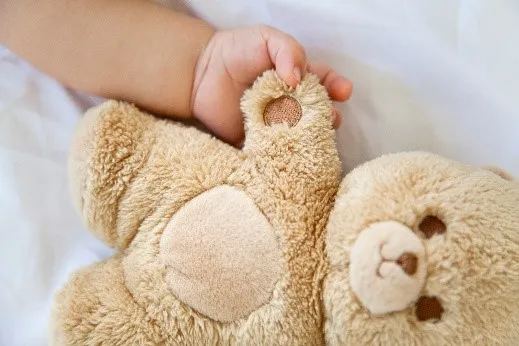
Round and round the garden like a teddy bear. One Step, Two Steps, And a tickle under there!
Extending the rhyme, to include different ways of moving
Round and Round the garden like a Dinosaur. One stomp Two stomps Roar, Roar, Roar!
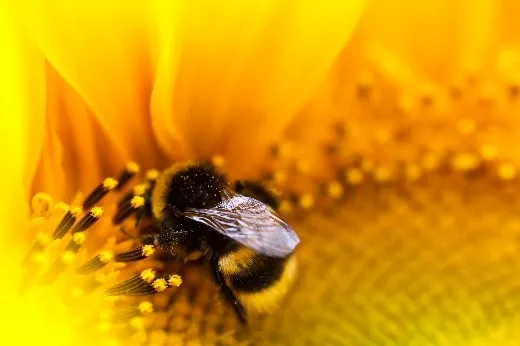
Round and Round the garden like a Bumble Bee, one flap, two flaps, find a flower for tea.
Snail
A spoken tickly rhyme on a child’s hand
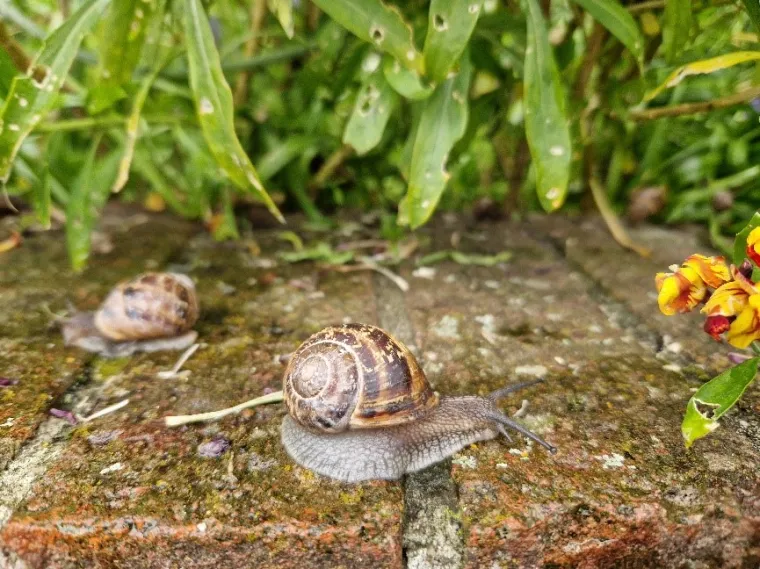
Slowly, slowly, ever so slowly Creeps the garden snail. Slowly, slowly, ever so slowly Up the wooden rail.
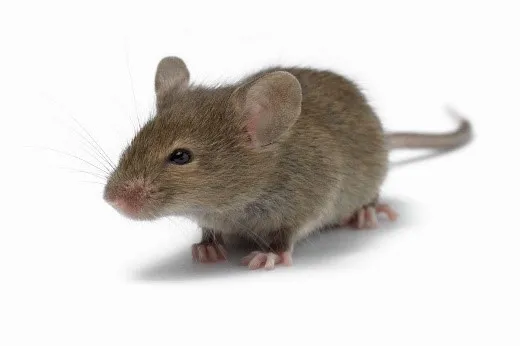
Quickly, quickly, ever so quickly Runs the little mouse. Quickly, quickly, very quickly Round about the house.
Ring a Ring a Roses

Ring a ring a roses, (Holding hands in a circle, walk around) a pocket full of posies, atisho atisho (stop and cover nose as though sneezing) we all fall down! (crouch or sit down)

Picking up the daisies, (pretend to pick daisies from the floor) Picking up the daisies atisho atisho (cover nose as though sneezing) we all jump up! (jump to standing)
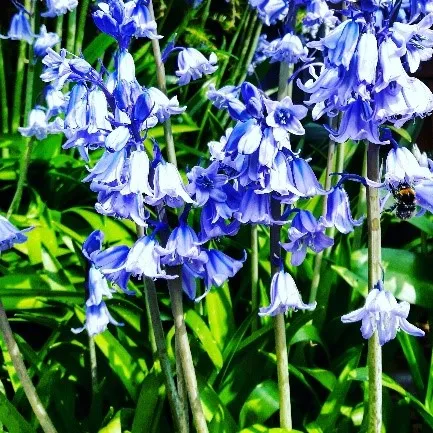
In and out the dusty bluebells In and out the dusty bluebells, In and out the dusty bluebells, In and out the dusty bluebells who shall be my leader?
Tipperty Tapperty on my shoulder, Tipperty Tapperty on my shoulder, Tipperty Tapperty on my shoulder, you shall be the leader.
Actions: Stand in a circle holding hands and raise them as children need to fit through the gap between each child. 1 child weaves in and out of the circle during the 1st verse. Child chooses someone in the circle, stands behind them and pats them on the shoulder for the 2nd verse. The 2nd child is now the leader.
Depending on the number of children in the group the 1st child either holds the 2nd child’s hand and follows 2nd child weaving through the circle, reducing the children remaining in the circle each time or the 1st child stands in the 2nd childs place in the circle.
This song could be extended to a walk through a wooded area that childen take a turn being the leader for the group finding a route through trees and everyone follows.
With a pair of children this can be sung and the actions are taking turns patting each other on the shoulders.
Mulberry bush

Here we go round the Mulberry bush, The Mulberry bush, the Mulberry bush. Here we go round the Mulberry bush, On a cold and frosty morning.
Traditionally other verses are added such as ‘This is the way we brush our hair …. On a cold and frosty morning’ but you could identify a different plant or tree to dance around and change the weather to match your day.
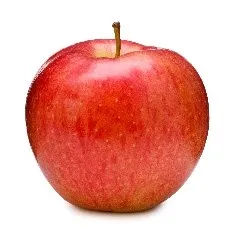
Here we go round the Apple tree, the Apple tree, the Apple tree. Here we go round the Apple tree On a warm and sunny morning.
You could also change ‘go’ to a describe a different way of moving including ‘walk’, ‘run’, ‘hop’, ‘jump’ etc.
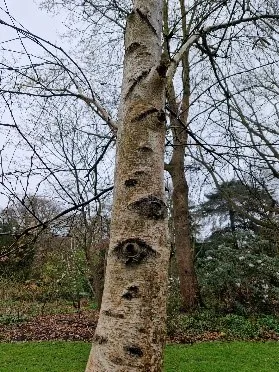
Here we jump round the Silver Birch, the Silver Birch, the Silver Birch. Here we jump round the Silver Birch, In the pouring rain.
Rock a bye baby
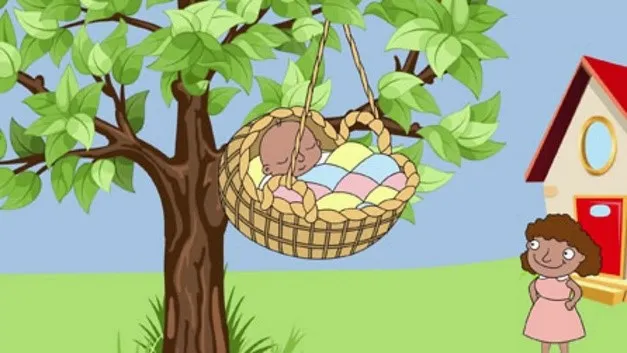
Rock a bye baby on the tree top, When the wind blows the cradle will rock. When the bough breaks the baby will fall, Down will come baby cradle and all.
Wiggly Woo
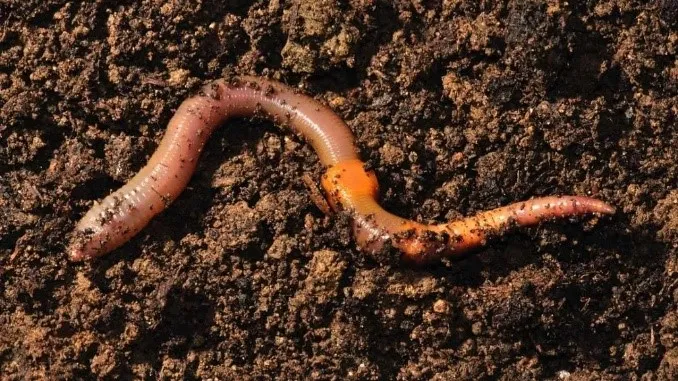
There’s a worm at the bottom of the garden and his name is Wiggly Woo. There’s a worm at the bottom of the garden and all that he can do is wiggle all night and wiggle all day, no matter what the people will say. There’s a worm at the bottom of the garden and his name is Wiggly Wig Wig Wiggly Woo.
The North wind does blow
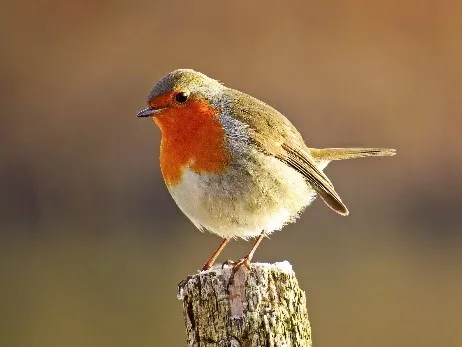
The North wind does blow and we shall have snow, And what will the Robin do then, Poor thing? He’ll sleep in the barn, To keep himself warm, And hide his head under his wing, Poor thing!
The Sun has got his hat on
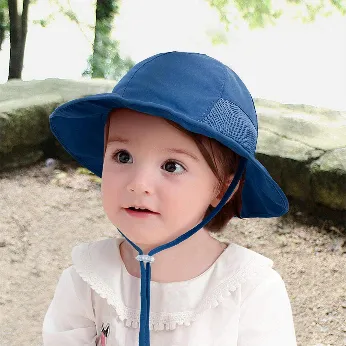
The Sun has got his hat on. Hip hip hip hooray, The Sun has got his hat on and he’s coming out to play. Now we’ll all be happy. Hip hip hip hooray. The Sun has got his hat on and he’s coming out today.
I sing this song when we are getting used to wearing our sunhats when summer arrives and change the words to include the children’s names.
Claire has got her hat on, hip hip, hooray. Claire has got her hat on and is coming out to play.
Lavender’s Blue
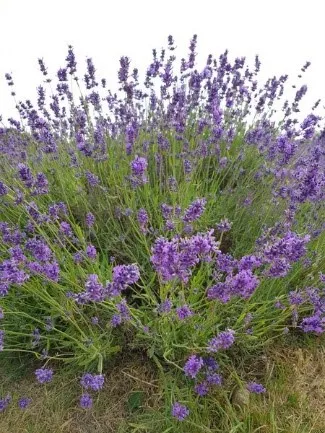
Lavender’s Blue Dilly dilly, Lavender’s Green. When I am King Dilly dilly you shall be Queen.
Five little peas in a peapod
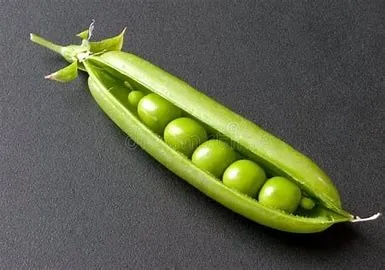
Five little peas in a peapod pressed. (Hide 5 fingers with the other hand like a ball) 1 grew, 2 grew and so did all the rest (reveal 1 finger, then 2, all the way to 5 from behind the other hand) They grew and grew and did not stop (hands get wider and wider apart) Until one day they went POP! (clap on pop)
Two little dicky birds
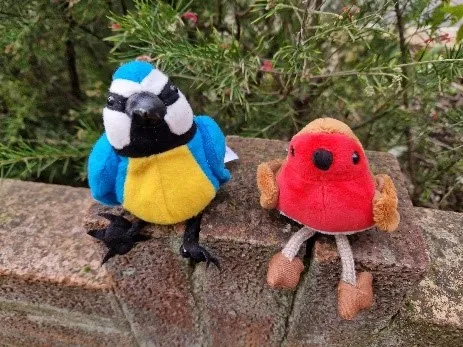
Two little dicky birds sitting on a wall, (Show both index fingers) One named Peter, one named Paul. (Emphases 1 finger then then the other) Fly away Peter, fly away Paul. (Fly 1 behind back, Fly other behind back) Come back Peter, come back Paul. (Bring 1 back, then bring the other back)
The children love hearing their own names added, even if it doesn’t rhyme!
I hear thunder

I hear thunder (clap), I hear thunder (clap); Hark don’t you, Hark don’t you? (put hand to ear to listen) Pitter-patter raindrops (gently tap to make pitter-patter sounds) I’m wet through, So are you!

I see blue skies, I see blue skies. Way up high, way up high. Hurry up the sunshine, hurry up the sunshine. We’ll soon dry, We’ll soon dry.
It’s raining it’s pouring

It’s raining it’s pouring the old man is snoring, He went to bed and bumped his head and couldn’t get up in the morning.
I’m a little Acorn Tune: I’m a little teapot
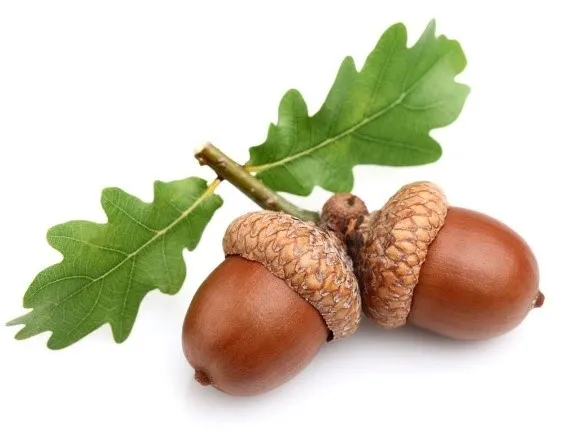
I’m a little acorn round and brown, This is my body, and this is my crown, When the wind starts blowing, down I fall and into an oak tree I will grow!
I can sing a Rainbow
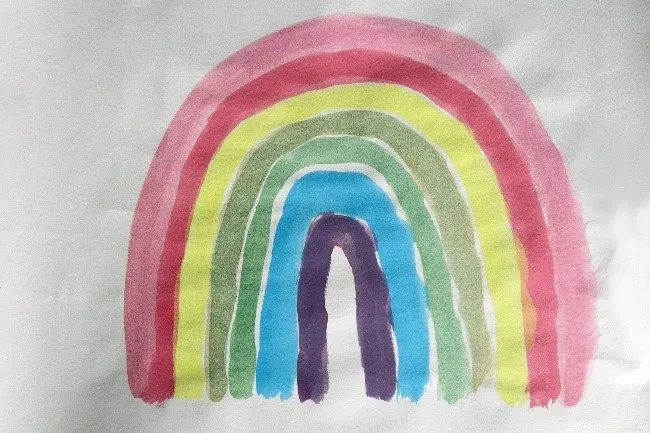
Red and yellow and pink and green,
Purple and orange and blue,
I can sing a rainbow,
Sing a rainbow,
Sing a rainbow too.
Listen with your eyes,
Listen with your eyes,
And sing everything you see!
I can sing a rainbow,
Sing a rainbow,
Sing along with me
O Christmas Tree
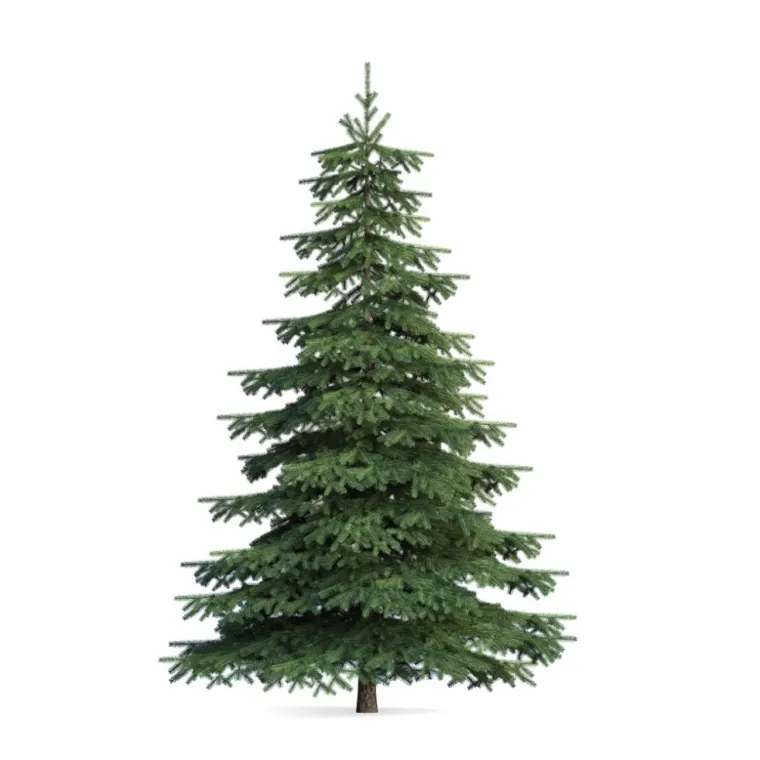
O Christmas Tree, O Christmas Tree, How lovely are your branches! O Christmas Tree, O Christmas Tree, How lovely are your branches! In beauty green will always grow Through summer sun and winter snow, O Christmas Tree, O Christmas Tree, How lovely are your branches!
O Christmas Tree, O Christmas Tree, You are the tree most loved! O Christmas Tree, O Christmas Tree, You are the tree most loved! How often you give us delight In brightly shining Christmas light! O Christmas Tree, O Christmas Tree, You are the tree most loved!
The Leaves are falling down Tune: The Farmer’s in his den The leaves are falling down The leaves are falling down Red, yellow, green, and brown The leaves are falling down
Incy Wincy Spider
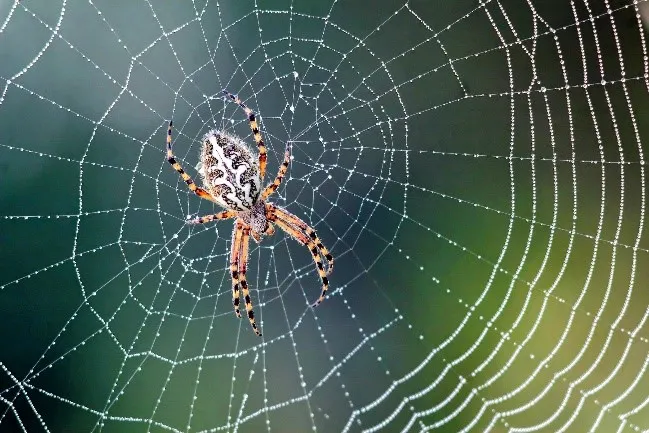
Incy Wincy Spider climbed up the water spout, Down came the rain and washed the spider out. Out came the sunshine and dried up all the rain. So Incy Wincy Spider climbed up the spout again.
Incy Wincy Spider climbing up the tree, Down came the snow and made him shivery, Out came the Sunshine and melted all the snow, So Incy Wincy Spider had another go.
A little seed
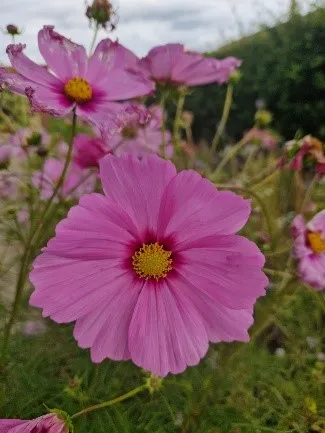
A little seed for me to sow
A little soil to make it grow
A little hole, a little pat,
A little wish, and that is that,
A little sun, a little shower.
A little while – and then, a flower!"
Tick tock Playground song
Sam plays on the swing and Sam plays on the slide. Sam plays on the swing and Sam plays on the slide. She goes tick tock, forwards and back, round and round she goes. Tick tock, forwards and back, round and round she goes.
The Holly and the Ivy
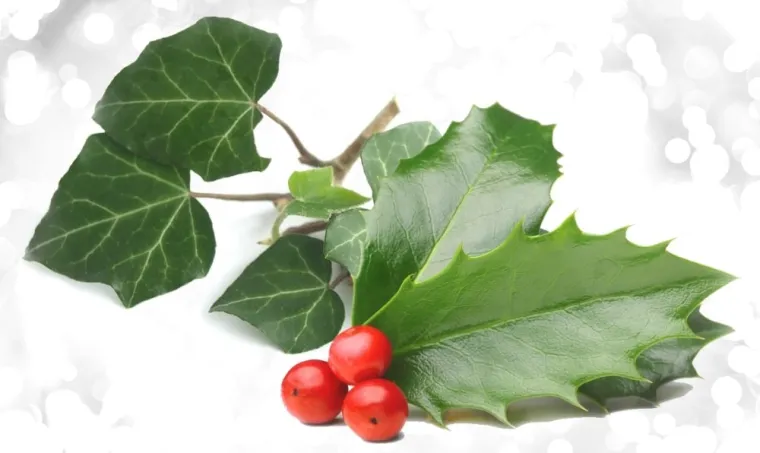
The holly and the ivy, when both are full grown,
Of all the trees that are in the wood, The holly bears the crown. The rising of the sun, And the running of the deer. The playing of the merry organ, Sweet singing in the choir.
There’s a tiny caterpillar on a leaf
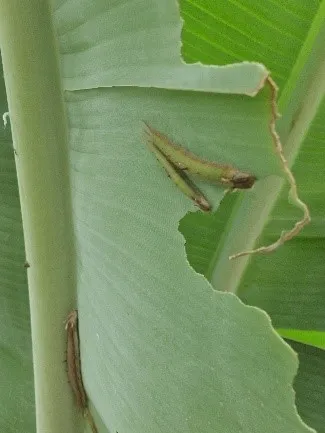
There’s a tiny caterpillar on a leaf, wiggle, wiggle There’s a tiny caterpillar on a leaf, wiggle, wiggle There’s a tiny caterpillar, tiny caterpillar There’s a tiny caterpillar on a leaf, wiggle, wiggle
He will eat the leaves around him ‘til he’s full, munch, munch He will eat the leaves around him ‘til he’s full, munch, munch He will eat the leaves around, eat the leaves around He will eat the leaves around him ‘til he’s full, munch, munch
A cocoon is what he’s spinning for his home, spin, spin A cocoon is what he’s spinning for his home, spin, spin A cocoon is what he’s spinning, cocoon is what he’s spinning, A cocoon is what he’s spinning for his home, spin, spin
Then he’ll be a butterfly and flap away, flap, flap Then he’ll be a butterfly and fly away, flap, flap Then he’ll be a butterfly, be a butterfly, Then he’ll be a butterfly and fly away, flap, flap
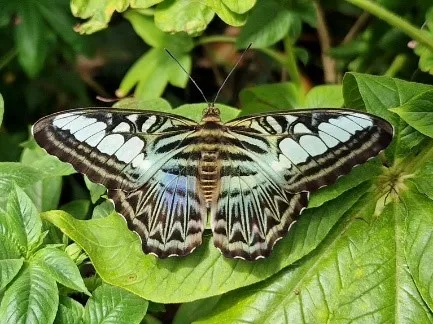
If You’re Happy and You know it If you’re happy and you know it, clap your hands. If you’re happy and you know it, clap your hands. If you’re happy and you know and you really want to show it. If you’re happy and you know it, clap your hands.

There are so many ways to change the song, including “If you’re cold you and know it, shiver shiver” or “put on a coat”. “If your’re happy and you know it pick up a leaf”. You can explore emotions other than ‘happy’, “If you’re angry and you know it stomp your feet”, “If you’re excited and you know it do a dance”.
We also have a favourite saying, when a child climbs up onto a raised surface, hill or pile they can often be heard saying
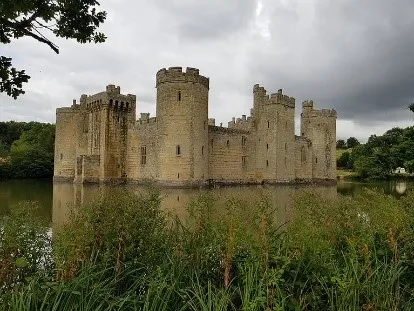
“I’m the king of the castle. You’re the dirty rascal!”