

What is the voice of the child?
The voice of the child is a general term to describe how we create meaningful engagement with children.
The 100 languages of children, as described by Loris Malaguzzi, is a metaphor for all the different ways in which children express themselves, and show their understanding, learning and thinking.
Children express themselves through movement, drawing, dramatic play, by creating things, in talking with one another and with adults, by smelling new scents and tasting new flavours, and listening to beautiful and surprising sounds. In facial expressions, gesture, mime, pictures and symbols. In fact, in 100 different ways.
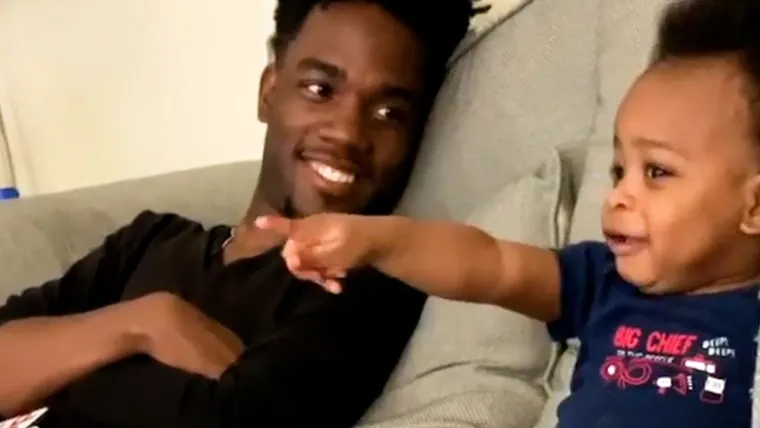
Most importantly however, is that all children, regardless of their method of communication or cognitive ability have something to communicate, we just must listen.
https://www.reggiochildren.it/en/reggio-emilia-approach/100-linguaggi-en/)
Why is the child’s voice important?
When adults take time to ‘listen’ to, understand and act on the voice of the child the benefits are wide ranging to both the child and the adult.
The act of listening to the child increases their self-esteem and self-worth. It enables them to share their own story, about their lived experiences and shows them that their story, views, wishes and feelings are valid and valuable.
For the adult, listening provides an insight into the child’s perspective allowing the adult to fully engage with the child, their ideas and point of view. It provides the adult with a well of knowledge about that child, their interests and needs, which can lead onto a dynamic learning environment.
Listening to the child’s voice is not merely a great idea, but it is grounded in human rights.
The United Nations Convention on the Rights of the Child specifically advocates for the child’s voice.
Article 12 - Respect for the views of the child
Every child has the right to express their views, feelings and wishes …….. and to have their views considered and taken seriously.……..
Article 13 – Freedom of expression
Every child must be free to express their thoughts and opinions……..
(https://www.unicef.org.uk/what-we-do/un-convention-child-rights/)
The question is, how can we, ensure these rights for all children?
Listening
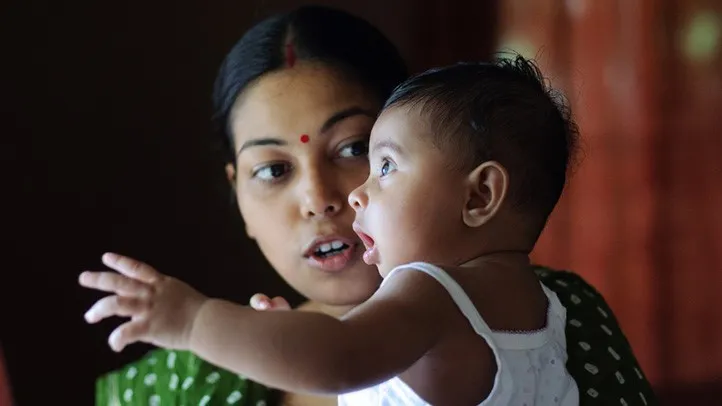
Listening to children begins at birth. It should be ongoing, and if children have 100 languages, we need to use all our senses to ‘listen’ to them, or risk missing something.
The Mosaic Approach to listening, devised by Clark and Moss (2001, 2011, 2017), is one approach to listening to the voice of the child.
It views children as 'experts in their own lives' and recognises that children use different voices to communicate and that a range of methods can be used to ‘collect’ those voices.
The Mosaic Approach offers a creative framework for listening to young children's perspectives through talking, walking, making and reviewing together. Children's own photographs, tours and maps can be joined with interviews and observations for adults to gain deeper understandings of young children's lives. Children, parents and practitioners are all involved in reflecting on the meanings and interpretations of the ‘voices’.
By listening to all the ways in which children express themselves, we recognise the unique child, strengthen the positive relationship we have with the child, and in so doing create the optimal enabling environment.
To learn more , a great start is to sign up to the free government child development training full of the research and theory that underpin how we interact with babies.
https://child-development-training.education.gov.uk/about-training